
Showing posts with label Counseling tools. Show all posts

Tuesday, January 25, 2011

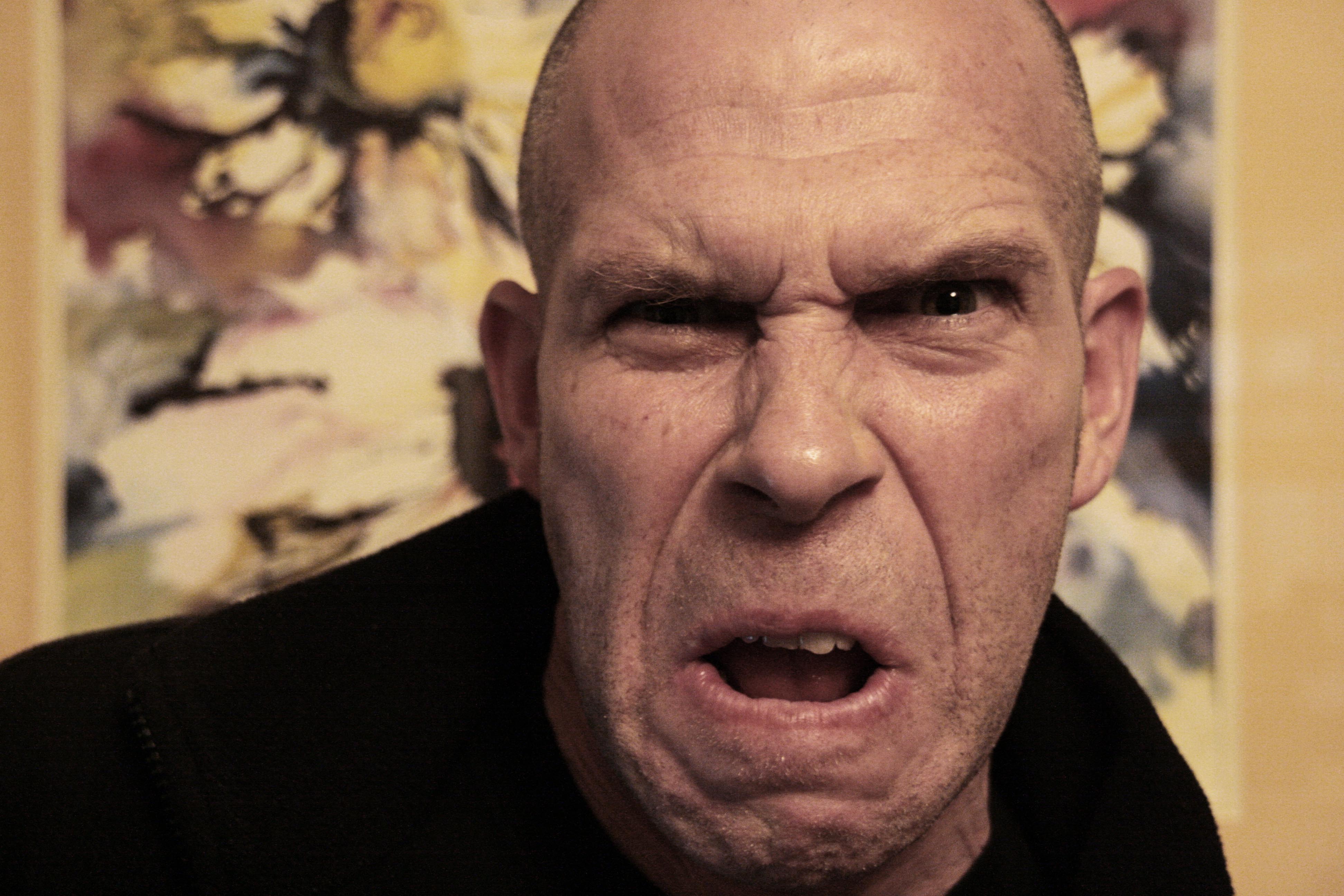
Coping with Anger

A metaphorical visualization of the word Anger.

Image via Wikipedia

There are times in which the situation that has you upset is not going to change or at least not change in the short term.  It is at these times that we have to learn to cope and work through the difficulty.  Here are some strategies for coping with anger. 

Express Feelings through�

We have an extraordinary ability to channel strongly held emotions in to all kinds of activities.  We can do this with anger.  The possibilities are as varied as people are varied.  I tend to express my feelings through writing.  But you could also write music, make music, create art and so on.

Go for a walk

Walking often takes you away from the anger provoking situation.  It lets cooler heads to prevail.  It also uses up some of the excess energy that comes from being upset.  When you walk try to clear your mind using CALM MIND

Physical Exercise and/or sports

Doing something physical helps to release the energy and can also be a acceptable way to release anger.  A little bit of an edge can be gained through anger.  I know that when I am lifting weights for example I can lift a little more weight or a couple more sets when I have been angry. 

Continue to relax

Relaxed and angry states are incompatible.   That is to say you cannot be physiologically angry and calm at the same time.  Here are some ways to practice relaxation.

Avoiding trouble

"Don't do it,  Don't say that!"  Your conscience is sounding off the alarm and you just plow right through with your own way.  Ever done that?  Well it seems silly to point this out, but in reality we need the reminder.  Approaching troublesome situations while you are feeling angry it a bit like pouring gasoline on a fire. 

Setting Healthy Boundaries

Sometimes our anger comes from the fact that we have not set healthy boundaries for ourselves.  We want to say, "NO!" but cave to other's desires at the expense of our own well being.  In this case the anger is resentment toward the other person for taking advantage of us.  We bear some of the responsibility. If we become good at setting boundaries with others then we can avoid situations where we reluctantly go along with things that hurt ourselves in the end.  Boundaries can be hard to set for someone that has been reluctant to do so.  First you have to guard your heart.  If people can hurt you at a heart level you are unlikely to set firm boundaries.  Then you have to give yourself permission to say "NO."  Next you have to learn to be assertive in a positive way rather than passive or aggressive way.  Finally you have to be clear and firm with what your boundaries are.  I think the topic of boundaries deserves a post to itself.  Maybe in the near future I will do some on the topic. 

Humor

Humor is good medicine.  You may not feel like it when you are upset, but humor can lift the spirits.  Whether it is you adding a little levity to a tense situation or if it is finding something humorous to be entertained with.  There is a strong indication in research that humor is one characteristic of a mutually satisfying marriage.  I believe that humor keeps us out of the hurtful bitterness that comes from unresolved anger. 

Personal Reflection

Sometimes when we are annoyed and irritated it is not clear to us why.  Sometimes we are upset with ourselves and we take it out on others.  Sometimes we are just plain selfish.  In these cases I believe personal reflection is in order.  Finding the root cause of your anger even if it is yourself or is a reflection of self-centeredness is useful in sorting things out.  Personal reflection can take the form of meditation over the situation to understand (not stew or blame).  It can be through writing it down (in a journal or a log).  The goal is to be more aware of your thoughts and pay attention to your internal dialogue. 

Meditation on Scriptures

I find that the Bible is like a mirror to the soul.  We look into a mirror to fix our hair and see our faces.  But we do not see the deeper self, our soul.  When we look into scriptures and we allow God's Holy Spirit to do His work the Bible becomes a powerful force in our lives to reveal our inner nature.  Meditation on scriptures not only is revealing, but it is also transformative.  Meditation will take your anger and change it to love and forgiveness. 

Forgiveness

The highest act we can do in our lives is to forgive one who has offended us.  Forgiveness is an act of the will choosing to live peaceably with consequences of someone else's missing the mark (sin).  In so far as it is possible with you you choose to live at peace with the person who has offended (Romans 12:18).  Forgiveness is not saying what someone has done to hurt you is right.  Forgiveness is not the elimination of external consequences.   Forgiveness is not putting yourself back into a situation to be hurt again. 

Unforgiveness hurts you more than it hurts the person you do not forgive.  In reality the person you refuse to forgive does not likely  think of how they offended you.  If they were thoughtful of you then they would not have offended you in the first place.  Or if they do care about how they offended then they would have quickly sought reconciliation.  As it is when you hold on to the hurt it becomes bitterness and bitterness becomes despair and despair robs you of life. 


In the end anger is a complex and rich emotion.  We have to learn to respect and use anger in a healthy way.  Anger itself is not bad, but much evil can come from anger if we let it.  On the other hand if we use anger to push us to greater action and to transform our lives and the lives of others then it can be a force for much good.  The choice it yours.  What will you do the next time you are affected by this passionate emotion we call "anger."


God Bless You
~BJ

Enhanced by Zemanta

Saturday, January 22, 2011

Problem Solving

Angry Sphynx

Image via Wikipedia

In dealing with anger you can recognize that you are angry, cool down, and turn your mind so that you are thinking more clearly, yet still in the end have a legitimate problem that needs to be addressed.  In this post I would like to outline a few things that you can do to solve a problem that is triggering your anger. 

Seek Wise Counsel

Without guidance, people fall, but with many counselors there is deliverance.
Proverbs 11:14 (HCSB)

It is interesting to me that when I am angry it seems that "I know best."  Yet when I have had a chance to cool off I often realize how foolish I really was.  One way to solve problems is to seek out counsel from someone that has had good life experience and knows how to handle your situations.  Go to an expert in the problem you are dealing with and ask them.  It could be a family member, friend, pastor, teacher, professional counselor, or other wise person.  Having a problem to solve ought not hinder us.  It is a great opportunity to learn and grow.  Going to someone that is in the know will lead you to effective action. 

Ask for What You Need

We are often angry because there is something that we are deprived of.  This is a frustration form of anger.  However, many times the thing that we need or desire is not verbalized.  It is unfair to the person that I perceive has neglected me if I have never expressed the need or desire.  In fact unstated expectations are poison to a relationship.  Learn to express your need confidently and calmly.  Often just stating your need or desire is all that is needed.  Admittedly there are times when this will not work.  Do not take possible rejection as a reason to keep your expectations silent.  Also learn to negotiate (See Below).  Give to get is often a good approach to getting needs met.  If you are going to ask for something be prepared to explain what you are willing to do for their benefit. 

Say "No" If Needed

Learning to say "No" is a critical part of setting healthy boundaries in relationships.  If you need to say no, but end up going along with or doing the thing that you do not believe is best or right then you set yourself up.  Initially it may feel like the right thing, like avoiding a fight for example.  However, over time not setting a boundary will lead to feelings of resentment.  If these feelings of resentment are not dealt with then it can lead to bitterness. 

Negotiate With Others

Often when we are angry we fall into either/or win/lose my way/your way thinking.  This type of thinking lends itself to prolonged conflict as each side works to convince the other side that they are right.  It also tends to keep us in the mind set that either I win or you wind, but one of us is going to lose.  This is a very unfortunate frame of mind.  The biggest problem is that it is most likely a false dilemma.  Most of the time any problem that people face in a relationship will have a multitude of possibilities to resolve the problem.  In fact no two people will solve the same interpersonal problem in the same way.  So to think there are only two ways of looking at the problem you are facing (really just one "My Way") then you really are stretching it a bit.  Why not three, four, or five ways.  Your so busy arguing for your way that maybe you missed the best way which would be the sixth way. 

First to negotiate you have to resolve to think that my way may not be the best way.  This does not automatically mean the other person has the best way either.  Perhaps both of your ideas stink.  But you are so locked in on arguing a bad idea you would never no it.  Second you have to be willing to understand the good points of the other person.  Then you have to be willing to offer suggestions that take the best of both points of view to solve the problem.  Finally you have to willing to let go of some of the things you wanted in order to get some of the other things that you wanted.  Fact is the only way to always get what you want is to live in total isolations, but then you may want to be around people so even then you would not get what you want. 

Opposite Action "Do something nice."

A secret gift soothes anger.
Proverbs 21:14 (HCSB)

This one usually gets funny looks when I say it.  Fact is doing something nice for someone that you are upset with soothes his/her anger, but it also soothes your own anger. 

Pros and Cons of Change

When you have a problem to solve it is always a good idea to consider both the benefits and drawbacks of making a change.  Especially negotiated change.  The reason is that the first time one of the drawbacks comes up you are likely to say, "See I told you we should have done it my way."  Fact is that what ever change you make it will have benefits and it will have drawbacks.  The best change is one that maximizes the benefit for all involved and minimizes the drawback as well as distributes the drawbacks fairly.  

Put Energy Into Something that has Purpose and Meaning

There are times when the best thing you can do is put the energy that anger creates to good use.  Finding meaning and purpose in the midst of a difficult time will help to channel your efforts into a productive outcome.  Sometimes the activity can be somewhat trivial (eg yardwork).  At other times the activity could be profound (eg social advocacy).  What ever you do, don't just sit there and stew in your anger.  Get up a do something. 

Prayer and meditation can be very helpful in finding meaning and purpose in life's difficult moments. 

Four Problem Solving Steps

  • Define the Problem

When defining the problem avoid defining it as a person.  When you define a problem as a person then you give all your power to change to the person you are upset with!  The definition of the problem should be something that is within your power to change.

  • Brainstorm solutions

Come up with as many ideas as you can.  Do not evaluate them at first no matter how silly they might seem.  The idea is to be creative as possible.  You can also ask others for ideas. 

  • Pick one or more to try out

You want to pick the one you are most likely to do and with greatest potential for success.

  • Evaluate how you did

Did your solution work?  If it did make a note of it.  You will likely solve similar problems in the future using the same or similar idea.  If it did not work go back to the beginning and make sure you have defined the problem correctly.  Then go through the other steps again. 


Chances are that solving the problem that is triggering your anger will take more effort than any one of these ideas on there own.  However, if you practice these you will become an effective problem solver. 

God Bless You

~BJ

Enhanced by Zemanta

Thursday, January 20, 2011

Dealing with Anger TOC

This is a Table of Contents for Posts that I have written about dealing with anger. 

Anger Defined Biology of Anger
Ring of Anger (Unhelpful Actions) The Soul and Anger
Path To Peace (Helpful Actions) Surrender
   
Steps to Dealing with anger:
Step 1: Recognizing Anger
Step 2: Relaxation (cooling down)
Step 3: Changing Angry Thoughts With a CALM MIND
Step 4: Problem Solving or Coping
 
   
Biblical Perspectives on Anger:  
Proverbs on Anger Raising Cain
Slow to Anger Anger: The Story of Esther
Burning Anger God's Anger

Monday, December 20, 2010

Recognizing Anger

CAPE CANAVERAL, FL - AUGUST 26:  A stop sign i...

Image by Getty Images via @daylife

If you travel through life ignoring the signals or triggers for your anger it is a bit like driving while ignoring stop signs.  Eventually you will get into trouble or in to a serious accident.  There are three types of anger signals:  Body signals, thought signals, and actions signals.  Triggers are the situations that typically result in you feeling angry.

Body signals are the sensations that you feel when you are angry.  These sensations are automatic (see previous post).  Most people will feel hot, some sweaty, nausiated, headache, muscle tension, beathing hard, and so on.  The trick is to be more aware of your personal signals.  If you recognize that you are feeling angry then you can identify your body signals by thinking over the previous several minutes and becoming more aware of how you feel physically.  The tendency is to short change this awareness by simply stating, "I feel angry."  This is usually a thought or at least an emotion.  But awareness involves being more aware of how your body feels over just knowing that you are angry. 

Thought signals are the automatic thinking that occurs when you are angry.  For example:  Someone cuts you off in traffic and you think, "You idiot you are going to get someone killed."  That is an automatic thought.  These automatic thoughts often fit a similar pattern across various settings.  The most common pattern is to label people or situations with deregulatory language.  There can also be emotionally charged words like hate, pissed off, F%$# you, sucks, and so on.  Each person has their own pattern in thinking when they are angry.  The trick is to recognize your own.  Another common pattern of angry thinking is the just/unjust (either-or thinking).  You let some perceived injustice be the justification for your anger.  When in reality it is more likely the other way around.  It  is the perception and not the event itself that is triggering your anger.  For example: What if I told you that the person that cut you off in traffic was taking his child the emergency room because she is very ill.  You would change your thinking, "Be careful I hope that your daughter gets better.  That feeling is compassion over anger.  What changed?  Your thinking.

Action signals are the behaviors that you do when your angry.  Often others will recognize our action signals long before we are aware of them ourselves.  If you are bold you can ask others to help you identify your signals when they observe them.  It might be better to ask them to tell you when you are not angry at the time.  Telling someone their anger signals while they are angry is usually met with defensiveness.  Some typical action signals are: raised voice, complaining, slamming objects, stomping, arguing, clenched fist, clenched jaw, punching, kicking, and so on.  Each person has actions that tend to be typical when they are angry.  The goal is to become aware of some of the early signals before your anger leads to the more aggressive ones.  Another way to catch action signals in the moment is when someone says "Why are you angry?"  Rather than the automatic, "I am not angry."  You can say, "What am I doing that makes you think that?"  Most people that we are close with are perceptive of our moods and will be able to identify our anger long before we are aware of it. 

Triggers are the situations or people that can pretty reliable result in our anger.  Being aware of our triggers is beneficial in two ways.  We can learn to avoid unnecessary situations.  Avoiding an angry situation is wise.  Anger in the raw rarely solves anything.  If avoidance is not possible then awareness of our triggers allows us to be prepared to take positive action.  You can plan ahead what you are going to do if that trigger happens.  Planning ahead for angry situations or dealing with people that push our buttons is effectiveness.  Not planning is foolish because you will likely fall into habitual behaviors that have not been effective in the past. 

Being aware of signals and triggers is the first step in coping with or resolving your anger.  If you miss this step you are much less likely to be successful in dealing with anger.  If you do this step then you will be much more prepared to respond rather than react when anger comes your way.

God Bless You

Enhanced by Zemanta

Wednesday, August 25, 2010

The Biology of Anger

When a person becomes angry there are two tell tale signs that you can see.  First is shallow heavy breathing, and the second is increased blood flow (seen as flushed face or felt as being hot).  The Bible makes several references to these types of anger.  The anger that is represented by breathing hard can be the result of a serious offence against you or someone you love or it can be as simple as a wish or desire unfulfilled.  We can all fall into this.  Most often others that see it will say "Are you angry?"  More often than not we play it off and say "No."  The fact is whether it is a serious situation or a trivial selfish whim the anger needs to be dealt with or it will develop into something worse. 

I have personally experienced the pains of my own anger unchecked as well as been the victim of others anger unchecked.  My guess is that we all have had this experience.  The question is why with all of our regret and discontent for the state of affairs do we fall into the trap of anger again and again.  I believe that anger is a complex emotion that has biological, psychological, and spiritual implications.  I would like to delve into the biological aspect first. 

Four words that come from the Bible that point to the biological implications of anger are in Hebrew af and awnaf (meaning rapid breathing), chemah (implying heat), and in Greek thymos (implying breathing hard).  Feeling hot and breathing hard (or rapid) are biological functions that serve a purpose.  These are similar to fight or flight.

Fight or flight (activation of the sympathetic nervous system) is a well documented and well researched phenomena within the field of neurology and psychology.   The biological systems affected by fight or flight are:

  • Respiratory (increased breathing rate and dilation of the bronchial tubes)
  • Cardiac (increased heart rate and dilation of blood vessels to the muscles, and constriction of blood vesicles to other parts of the body
  • Inhibition of digestion (that is digestion slows down or stops)
  • Paling or flushing (blood drained out or red faced)
  • dilation of pupils of the eyes
  • Auditory exclusion (loss of hearing)
  • Loss of peripheral vision (tunnel vision)
  • tremors
  • increased perspiration

These are all automatic responses that cannot be directly controlled by the person that is experiencing them.  What is more once this response kicks in it tends to build until the threat or perceived threat is removed.  Even after the threat is removed the effects of fight or flight slowly return to a normal state. 

The brain it the control center of biological functioning.  In the brain two parts are implicated in anger response: the lymbic system and the prefrontal cortex.  The lymbic system buried deep the brain is responsible for the automatic fight or flight response (Hypothalamus just below the thalamus) and the experience of emotion (Amygdala).  The Prefrontal Cortex (part of the frontal lobe) is responsible for planning, organizing, and reasoning.  Your brain is literally sending a mixed message.  One part is saying "hit this guy or run away." While the other part of your brain is saying "Maybe we could just talk to him."  When you blend those two together what comes out is a blend of the two.  Maybe you don't hit the guy, but you attack him verbally.  This is of course a gross oversimplification of brain functioning, but I hope that it illustrates the brain function of anger.  
What happens when the prefrontal cortex (the reasonable part of the brain) is not working properly or is diminished?  If the fight or flight response is unchecked then intense fear and/or intense rage occurs.  The resulting behavior becomes intensely violent/aggressive or extremely protective without much thought to the implications or consequences of this behavior.  This is why you will have a moment of anger then later you regret when the frontal cortex comes back online so to speak.  After the moment of anger is past you are now thinking with the front part of your brain realize the implications of what just happened where as when you were angry these thoughts we shut down or quieted. 

Biology of anger has implications in what we do with anger.  First there has to be a way to quiet down the fight or flight response.  The best way to do this is to relax.  Relaxation activates the parasympathetic nervous system which acts in opposition to the sympathetic nervous system (fight or flight).  That is why it is not possible to be engaged and relaxed at the same time.  They are two incompatible biological states.  There are many ways to relax, counting exercises, progressive muscle relaxation, deep breathing, use of imagery, and meditation are some ways I have used to help people learn the skill of relaxation (see here for more information).  By practicing relaxation you lower you set level so that when the fight or flight kicks in you do not have as high a peak.  Also by learning relaxation you can also more quickly arrest and recover from fight or flight.  This takes much practice. 

Another thing you can do has to do with the thinking planning part of your brain.  The goal is to bring the prefrontal cortex on line early on so that you are responding rather than reacting to anger.  There are a couple of tricks to do this.  One is to recognize the difference between a real and perceived threat.  Anger is a response to a threatening situation.  When it really comes down to it there are very few situations in our day to day life that are real legitimate threats to our wellbeing.  To me a legitimate threat is being assaulted by someone or threatened of life and limb.  For example a guy with a gun pointed at you.  On the other hand being angry with a pool cover is not a legitimate threat to my well being.  If you reason that a threat is not legitimate then you need to relax, distract, or disengage.  Often though just recognizing that there is no legitimate threat is enough to being the process of cooling off.  A second trick to get the front part of your brain to activate is a series of questions based on the acronym "I AM Worth it" developed by Redford Williams MD.

  • Important:  Is this important to me?
  • Appropriate: Is it appropriate for me to be angry in this situation?
  • Modifiable: Is there something I can do about it?
  • Worth It: Is it worth it to do something in this situation?

If you answer all the questions yes then two things have happened.  One you have identified a legitimate problem to be solved.  Two you are now thinking and reasoning rather and angrily reacting.  On the other hand if you answer "no" to any of them then you are in a situation you have to cope with and again you are thinking over reacting.  By bringing your front part of your brain online you will being the process of quieting the biological anger response. 

What other ways can you think of to cool off or relax the biological response to anger?

God Bless You All


Notes
1. Duke Medicine Health Line "Why Anger Kills" Published: Nov. 26, 2007 Updated: May 24, 2010 Retrieved August 24, 2010.  

Thursday, July 22, 2010

Anger Defined

This is going to be my first post in a series on the subject of anger.  I have completed a word study based on the Hebrew and Greek words that are translated into the word anger or angry in English.  I came up with 15 different types of anger and 33 words (or word combinations) that translate to the English word anger.  That is quite a bit from the simple view I had of anger before I started this word study.  This post is a summary of the word study that I did in preparation for this series. 

Nose (Breathing Hard) Anger

There are times when angry we breath hard.  This picture is captured in the Hebrew by "nose anger."  Here are some examples of the anger of breathing hard.

Simeon and Levi avenging their sister's rape (by one man) by killing all the men in that community Gen 34 Gen 49:7
Moses toward Pharaoh when he would not listen Gen 11:8   
People of Nazareth toward Jesus when he said that a Prophet was without honor in his own hometown Luke 4:28
Idol makers (profiteers of false religion) when Paul and those accompanying him led people to Christ Acts 19:28  

Hot Anger

Very often people will explain to me that they feel hot when they are angry.  There is an expression that describes a person as a "hothead."  These are some examples of hot anger.

Esau toward Jacob when Jacob conned him out of his birthright and blessing Gen 27:44
Naham toward Elishia when he did not heal him in the manner that he expected. 2 Kings 5:12
Esther has several anger examples, The king toward his wife Esth 1:12,
Haman toward Mordecai Esth 3:5 and Esth 5:9,
The king toward Haman when he discovered his plot to kill Esther's kin Esth 7:7,
husband toward the man committing adultery with his wife Pr 6:34
Nebuchadnezzar toward Shadrach, Meshach, and Abednego for not worshiping his image Dan 3:13

Burning Anger

If there is heat then there must also be a source of heat which is often burning.  Below are examples of burning anger. 

Jacob with Laban when he did not honor his covenant but tricked him Gen 31:36
Jacob's sons when they found out that their sister was raped Gen 34:7
Abner toward Ishbosheth' accusation that he slept with Saul's concubine 2 Sam 3:8
David toward God when he struck down a priest 2 Sam 6:8
Jonah when God saved in Ninevahites Jonah 4:1

Exceedingly Angry

More burning anger, but in this case exceedingly so.

Cain when God did not accept his offering leading him to murder his brother Gen 4:5-6
Saul when people praised David greater than they praised him 1 Sam 18:8
David when he found out his son Amnon slept with his half-sister Tamar 2 Sam 13:21
Sanballat (and others) when Nehemiah was rebuilding the temple walls Neh 4
Nehemiah when he found out about social injustice among the Jews Neh 5:6

Smoking Anger

After heat and burning we have smoking anger.

Double Anger

Here we have a combination of burning anger with breathing anger something I call "double anger."

Jacob with Rachel when arguing about her not having children Gen 30:2
Potipher while listening to the false accusations against Joseph that he attempted to rape his wife. Gen 39:19
Moses toward the people of Israel when they worship false gods while he was on the mountain Exodus 32:19
Balaam the Prophet with his donkey hitting the donkey with a stick when he refused to move in the face of God's avenging angel Num 22:27
Balak with Balaam when the prophet did not curse Israel Num 24:10
Zebuel the governor of Shechem against Gaal inciting rebellion against king Abimelech Judges 9:30
Sampson when his wife betrayed him by sharing his secret with his enemies and he went out and killed 30 Philistines to take their clothing Judges 14:19
King Saul when the Amorites threatened the Israelite town of Jabesh 1 Sam 11:6
Eliab with David (his younger brother) when David came out to see the battle with Goliath 1 Sam 17:28
Saul toward his son Jonathan for siding with his friend David over him.  Jonathan with his father as a result 1 Sam 20:30, 34
David with himself before he realized Nathan was talking about his treachery 2 Sam 12:5
Elihu toward Job and his three friends Job 32:2-5 (consider the Lord's Response)

Provoked Anger (irksome, react against or rebel)

Provocation is the anger that is in reaction to someone else.  Someone has done something or the perception is that they have done something wrong against us so we are moved to anger. 

Peninnah toward Hanah (taunting her because she was childless Hanah toward Peninnah v 16) 1 Sam 1:4-16
King Asa toward Prophet Hanani when he told him the Lord was against Asa 2 Chron 16:10
Jeremiah toward the people of Israel over them going for idols Jer 8:19
The people of Israel toward God over showing Grace to foreign nations Deut 32:21 and Rom 10:19
Children toward fathers stirring them up Eph 6:4

Moses against the people of Israel ending up in his disobeying God (striking the rock rather than speaking to the rock) Numbers 20:10 and Ps 106:33
Israel against God Numerous examples of rebelling against God

Splintered, Cracked, or Chipped Anger

I picture a great tree being bent over in a storm to the point it begins to splinter and crack with this type of anger.  It seems that Moses experience this anger in leading the people of Israel.  Another phrase that comes to mind "he simply cracked." 

Nobles (men) at women for not obeying Esth 1:18
Pharaoh toward his servants when they offended him  Gen 40:2
Moses toward the people of Israel when they did not obey the Lord's instruction Ex 16:20
Moses toward Aaron's sons when they did not eat the sin offering (according to the Lord's instruction) on the day their bothers were stuck down by God Lev 10:16
Moses toward Israel when they did not follow his instruction to kill all the Moabites Num 31:14
Philistines against Achish for brining David with him to fight alongside them 1 Sam 29:4
Naaman when Elisha did not heal him in the manner he expected 2 Kings 5:11
Elisha toward Jehoash for only striking the arrows three times when more would have been greater victory (faith?) 2 Kings 13:19
King toward his wife Esth 1:12
Two Eunuchs toward the king when they planned to assassinate him Esth 2:21 
Jerusalem city officials when they mistakenly believed Jeremiah was deserting to the Chaldeans Jer 37:15

Outburst (quick/arrogant) Anger

At times the anger is quick and quite strong.  This outburst of anger leads to consequences down the road.

Jacob's sons when they found their sister was raped Gen 49:7
Country of Moab against Israel Isa 16:6 and Jer 48:30

Frothing at the Mouth Anger (indignation)

Rabid dogs come to mind with this type of anger.  But in reality this type of anger is more of indignation that rabid anger. 

Jeremiah toward revelers Jer 15:20

Desire/Passionate Anger

Our desires and passions are very strong.  At times these desires get the better of us.  However they don't have to even Jesus experienced this type of anger and yet did not sin. 

Jesus toward people in the synagogue because they desired to test Jesus over seeing a man healed Mark 3:5

Jealous Anger

Jealousy is a huge trigger for anger in some cases.

Philistines toward Isaac over his success as a shepherd Gen 26:14
Rachel toward her sister Leah because her sister was able to have children but she was not Gen 30:1
Joseph's brothers toward Joseph about his dreams Gen 37:11

Malicious Anger

When anger and ill will meet up it is a deadly mix.  You have the desire to harm combined with the motivation to do something about it.  This type of anger is to be avoided.  There were no examples of this word used, but I am sure we can think of some personal examples.

Grudge Anger

We can also hold on to anger and when we keep it (as is the case in this type of anger) then it will become bitterness in our souls.  We poison ourselves against others.  

Bitter (Poisonous) Anger

Bitterness and poisonous thoughts will keep anger going and growing

Simon Magnus when he sought the Lord's blessing with money Acts 8:23
Jews toward Jesus for healing on the Sabbath John 7:23


Well that is a summary and examples of the various types of anger as described in the Bible.  I think that we may over simply the feeling of anger.  It seems that anger is a rather complicated emotion.  I would even go so far as to say it is as complex as love.  Interestingly both are rooted passions.  Passions and desires bring out the very best and, unfortunately, the very worst in all of us.  There is hope when it comes to anger though.  Twice the Bible says "be angry, but do not sin (Psalm 4:4 and Eph 4:26)."  In my upcoming posts I will take a look at how one might accomplish this. 


God Bless You.


Friday, May 14, 2010

How to Beat the Doldrums

Yesterday I did a presentation on overcoming those times of stagnation and dullness that come in life.  Below is the slides for that presentation. 

Friday, February 26, 2010

Interaction of Three Dimensions of Trust

These tables gives an idea of how the three dimensions Trustworthiness, Confidence, and Entrusting interact with each other and personality characteristics from my perspective.  The risk of such a chart is that it implies categories.  Let me just say that most of these are on a continuum (scale).  For example you could say high medium or low confidence.  You could also make the case for high, medium, and low trustworthiness.  However, for these charts I am going to stick to two levels on each dimension. 

Warning: these tables are speculative and should be taken with a healthy degree of skepticism.  I do welcome feedback below about your degree of agreement or disagreement with what I have put here as well as any suggestions to improve the model.

Choice Not to Entrust

  High Trustworthiness Low Trustworthiness
High Confidence in other Pre-trust (cautious optimism)

Self
Other fears (eg fear of commitment)
Low or unresolved trauma
Low self-worth

Other
Confusion
Gentle attempts to understand
Naive Distrust 

Self
High risk for being hurt if trust is given
Poor boundary
Naive

Other
Looking for right moment to take advantage
predatory
Self-interest
Low Confidence In other Fear Based Distrust 

Self
Fear of being hurt
Possible History of trauma relationship(s)
Need for healing
Looking for evidence to not trust

Other
Regretted breaking of trust
High levels of frustration
Feeling attacked (defensive)
Desire to redeem self
Feeling helpless at times
Appropriate Distrust

Self

Healthy Boundary
Healthy sense of self
Good Judge of Character


Other
Likely to move on once it is realized one is not entrusted 
Anger
Can be vengeful

Choice to Entrust

  High Trustworthiness Low Trustworthiness
High Confidence in other Appropriate Trust (Healthy Relationship)

Self
Love and Respect
Feeling secure
Openness
High intimacy


Other
Satisfied in relationship
Mutual Love and respect
Aware of others needs
Blind Trust


Self
Possibly blind to other's Character
Poor self-image
low self esteem
Victim stance
"Need" to be in a relationship
Poor judge of Character

Other
Taking advantage
deception for personal gain
Self-focused
High need for control
Low Confidence in other Appropriate Risk taking


Self
Trust can quickly removed at slightest offense
Lack of intimacy
seems to hold back something
Desire to control risks 

Other
Mild to moderate frustration
Moments of impatience otherwise gentle
longing for greater intimacy
willing to wait for restored confidence
Sensitive to needs
Sadomasochistic relationship
(High likelihood of abuse)

Self
self-hatred turned inward
Distorted sense of relationships
Belief in deserve to be punished
feeling trapped or no alternatives


Other
Self Hatred turned outward
Controlling
See others as objects not people
Openly hostile
Lack of respect
Disregard for needs of others

In my next posts I will deal more practically with the tree dimensions of trust. 

Tuesday, February 23, 2010

The Blessedness of Guilt

Despair

Image by fakelvis via Flickr

I am sure glad that God created the capacity for us to feel guilt. Yes you heard me right.  Guilt is a wonderful gift of God.  I believe all of our emotions are a gift from God.  We are fearfully and wonderfully made.  However, just like other emotions, guilt because of sin can lead to increased suffering if not properly handled.  I preached a sermon on this subject a while back on The Usefulness of Sorrow which lays out the basis of my thinking on the benefit of sorrow.  Though the issue of guilt is not directly addressed in this sermon I believe that guilt can be a type of sorrow that is addressed in the passage from 2 Corinthians 7:5-16.  I want to focus specifically on the feeling of guilt. 

Three types of guilt that are soul killers (2 Cor 7:10). 

The first type of guilt that kills the spirit is the guilt of unmerited self-reproach.  In this type of guilt literally everything becomes his/her fault in her/his mind.  A person becomes sorry for everything.  He is sorry for having an opinion.  She is sorry for something over which she had no hand in nor has the ability to control or change.  He is sorry over breathing air.  She is sorry for being an inconvenience.  Everything becomes a opportunity for self reproach and makes the person feel defeated and deflated.  This type of sorrow is very easy to identify.  People that struggle with this type of sorrow almost always start (or end) their sentences on serious matters with the words, "I am sorry..."  Being overly apologetic is a good sign that you suffer from the guilt of self-reproach. 

The second type of guilt is the guilt of being caught.  There are some people who feel this intensely.  Often this type of guilt starts off with projecting blame on to someone or something else.  It then moves on to avoiding the subject all together.  It is pushed away from awareness.  In some respects all forms of guilt touch on this type in some manner.  But for those that struggle with this type of guilt they never move forward.  The are forever feeling badly about being found out.  Many times the guilty behaviors lead them deeper into the thing they were caught doing or a superficial change that is later revealed to not be genuine.  If the truth be told these people would not have considered changing their misdeeds if they were never caught.  Before we start throwing stones we should realize that we all have the capacity to be this way. 

The third type of guilt is one of melancholic guilt.  In this guilt a person feels a deep sense of remorse.  They recount over and over their misdeeds.  "How have I wronged you let me recount the ways."  They cry (with or without actual tears) and carry on for a long time.   This guilt is one of feeling a deep personal loss of self-respect.  It becomes a form of perpetual self-punishment with no relief.  The person believes she deserves to feel this way and so she is going to wallow in her self-pity. 

The problem with these forms of guilt is that none lead to relief or lasting change.  They are soul killers.  They drag a person ever deeper into spiritual death.   They are as destructive if not more than the event/act that triggered the feeling in the first place.  Many times it leads a person to avoid whatever or whomever makes them feel guilty with out a change of heart.  It leads a person to think, "If I can avoid this situation then I never have to deal with or be aware of my guilt."  This avoidance then perpetuates the root issue that is leading to the guilty state.  So what can we do about it?

Godly Guilt

Paul was rejoicing that his words of confrontation led to a feeling of grief dare I say guilt (2 Cor 7:9).  He felt this way because the confrontation led them to feel guilty and then led them to repentance.  Godly guilt is one that brings about change.  Not the superficial change that is seen in the guilt of getting caught, but a true desire to make things right (2 Cor 7:11).  Repentance is a change in heart that leads to a change in action.  This is the true usefulness of guilt.  It leads a person down a road that will reap a harvest of righteousness when God's Grace is applied to the situation. 

Godly Guilt Applied

May I suggest the follow practical application of this:

  1. When ever you feel that familiar feeling of guilt stop and ask these questions:  1) Is this a situation that I should indeed feel guilty about?  Do I have culpability? -Or- am I engaging in unmerited self-reproach?  2) OK I have been caught so do I truly feel remorse or is it just unpleasant that I have been caught? 3) I feel sorrow, but am I willing to turn this around?  Notice that the way out of the worldly guilt starts with acknowledging that you have guilty feelings and then proceeds to look at the issue at hand rather than avoid it.  By asking these questions you evaluate if this is unmerited self-reproach, guilt of being caught, or melancholic guilt. 
  2. The next step then is to turn this guilt into action.  First let it sink down into your soul.  Yes I said let it sink down which is similar to Melancholic guilt, but with one distinction let it produce a desire to change the state of affairs.  Guilt that changes the heart is a precious gift of God.  Repentance starts in the heart.  Let the guilt grow to produce a desire to clear yourselves,  indignation, fear, deep longing, zeal, and desire for just living (2 Cor 7:11)! 
  3. Next offer up a prayer to God and ask with the deepest sincerity, "God what would you have me change?"  Reflect on the matter and see what God reveals to you. 
  4. Then Identify the first step that you need to take to change and do it.  Don't stay stuck in worldly guilt allow Godly guilt to move you to repentance of heart leading to a change in direction.  Do not let one moment of guilt escape you so as to produce inaction and thereby worldly sorrow and spirit death.  In every way seek to commend yourselves to be pure in the matter (2 Cor 7:11).  By doing this you will move into the blessing of guilt. 

If you are able to turn it around (with God's help and guidance) then you will be able to experience the true change and genuine relief from suffering that guilt produces.  In doing this you will be able to produce diligence, comfort, joy, refreshing, removal of embarrassment, affection, obedience, and confidence in your life and the lives of others around you (2 Cor 7:12-16). 

Reblog this post [with Zemanta]

Friday, January 29, 2010

Relaxation

Libby's Guide to Total Relaxation
Image by HewGriff via Flickr
One of the most beneficial gifts that you can give yourself in a stress filled world is the ability to relax.  You might be saying to yourself, but I do relax.  Let me say that relaxation is not an event it is a skill.  Anyone can relax under the right circumstances, but to relax when the pressure is on well that is something else.  There are many ways to learn relaxation. The key to relaxation is regular and consistent practice

Progressive Muscle relaxation

This technique involves the systematic tensing and relax of all the muscle groups of your body.  By using this exercise you learn the difference between tension and relaxation and achieve a state of relaxation in the process.  Here are some links to help you out:
Written Instructions
Anxiety Disorders Association of British Columbia 

Written Instruction For Kids
Koeppen, A.S. (1974). Relaxation training for children. Elementary School Guidance and Counseling, 9, 14-21.
Male Voice
Georgia Southern University
Female Voice MP3
Carleton College
My Voice Recording MP3

Breathing Exercises

We do not often pay attention to our breathing until there is something that is restricting it.  Then we become immediately aware of how important breathing is.  One thing that happens with this lack of awareness of our breathing is that we can develop bad breathing habits.  For example fast and shallow breathing tends to increase feelings of anxiety.  While slow deep breathing increases feelings of calm.  The relaxation through breathing's goal is to make you more aware of this and relax through slow rhythmic breathing.  Here are some links to help you out:
Written Instructions 
Anxiety Disorders Association of British Columbia
Female Voice MP3
Male Voice MP3
UC Santa Cruz

Counting Exercises

Counting can be a great way to get your mind off of a stressful situations and occupy it with something that helps you to relax.  There are many counting methods.  My preferred method is to count up to 20 slowly 1,2,3,4,5,6,7,8,9,10,11,12,13,14,15,16,17,18,19,20.  And then count backwards to 1 slowly 20,19,18,17,16,15,14,13,12,11,10,9,8,7,6,5,4,3,2,1.  Repeat this pattern for 3-5 minutes.  If you notice that your mind wanders that is OK.  Every person that I have tried this with reports mind wander.  When you become aware that your mind is wandering gently bring it back to the counting exercise.  Other counting Ideas are counting your breaths, counting your steps, count the clock ticking, counting backwards from 100, counting down for relaxation starting with 10 waiting until you feel a deeper relaxation before going to the next number. 

Imagery

Sunset at Lahaina, Maui
Image by Mastery of Maps via Flickr
The use of imagery is an effective way to relax.  It is like a mental vacation where you travel to a very relaxing place using your mind.  When I use this technique I like to go two West Maui at sunset.  Here are some links to help you with this exercise:
Beach

River
University of Illinois
Forest Stream
Kansas State University
Beach
Forest
Georgia Southern University

Meditation

Mindfulness
I have written a number of posts on Christian Mindfulness which I encourage you to read.  Mindfulness is slowing down to become aware of the world around you.  The phrase "Take time to stop and smell the roses" is an example of mindfulness meditation.  Here are some links:
Christian Mindfulness
Awareness of Surroundings
Mindful Looking
Mindful Listening

Scripture Meditation
I believe that the Bible has words of life.  That is to say that the Bible is life giving and life sustaining.  Developing a habit of regular meditation on the Bible is good for Spiritual Health as well as for Physical health.  Focused meditation on the Bible's instruction for your need will develop a state of peace and relaxation.  Links:
How to meditate on the Bible
Online Bible Topic Index

Relaxation is a skill that will take much practice to become good at it!  I would recommend that you spend 1-2 times a day practicing one or more of these methods for about three weeks.  After that you can practice 3-5 times a week or when you are feeling particularly stressed, anxious, upset, angry, or irritable. 
If you have any questions about this please feel free to write them in the comment section below. 


Reblog this post [with Zemanta]

Friday, January 22, 2010

Sexual Trauma

Titian's image of the rape.

Image via Wikipedia

Sexual Trauma is a barrier to sexual intimacy.  Trauma comes in many forms.  The most extreme is sexual abuse, but it can come in milder forms.  For example someone with increased sensitivity catching your spouse looking at porn can be a trauma.  Another might be finding out your spouse is having an affair.  Childhood sexual abuse is a sexual trauma.  Sexual trauma is when an event that threatens your well being and the associated feelings become connected to sexual behavior.  Often the associated feelings are subconscious.  They will pop up without understanding or explanation.   Sexual trauma can be from within the marriage or from some other event from the past.  To be clear unwanted sexual behavior of an aggressive nature is abuse whether the couple is unmarried or married.  Forced sexual contact is rape regardless of marital status. 

One of the difficult aspects of trauma is that the memory and associated feelings are often locked into the brain and do not go away.  There can be some relief through various therapies, but it only takes a moment to bring up those feelings from the past.   Imagine if you will a super camera that records everything, sight, sound, smell (very strong in trauma), thought, feeling, sensation.  Now that super camera has an automatic alarm attached to it that is loud enough to wake the soundest of sleepers.  That is what it is like to experience sexual trauma and cues that remind of the past trauma.

Once trauma is encoded into the brain it pretty much becomes a permanent part of that persons life story.  Interesting there are some therapy techniques that help people retell their story so that they can better cope in the present.  This may make coping more effective, yet even in this scenario the trauma is still a part of the life story.   

One of the most unhelpful things you can do if your spouse is struggling with sexual trauma is to tell them to either "get over it" or "stop punishing me."  "Get over it" is irritating and down right disrespectful.  It communicates you are not a safe person to deal with genuine feelings and blames the victim.  Remember your spouse is the victim.  "Stop punishing me" is playing the victim.  You are not the victim in sexual trauma (at least in this hypothetical scenario) your spouse is.  You cannot help your spouse leave the role of victim by playing one yourself. 

Let me just say if you are in a relationship in which trauma is regularly occurring or is severe in nature you need to find a safe place.  Reconciling with a person should be done with the greatest of caution and only after the person has demonstrated a change in heart and change in behavior.  Placing yourself in a dangerous situation is foolishness don't do it!!!!!!

To help a spouse who is a victim of sexual trauma you have to recognize your role in it. 

If you are the person that instigated the trauma you have to make a full admission to your role and take steps to break the behavior that traumatized your spouse in the first place.  You have to take responsibility for these behaviors without blaming your spouse.  Sexual Trauma is often rooted in anger.  You have to be willing to take a look at how you handle anger, frustration, and irritability.  You might need to seek out help of another as you learn to deal effectively with anger.  If you do not then your spouse will not feel safe to allow for sexual intimacy. 

You might be thinking, "But I did not cause this."  It is important to recognize that people who have been traumatized can and often are retraumatized by the behavior of others.  You may not have initiated the trauma, but as the spouse of a victim of sexual abuse you have an obligation to takes steps to not retraumatize them.   You have to be willing to break from those behaviors regardless of how your spouse should feel or not feel safe.  Stated another way:  You cannot help your spouse develop coping skills for past trauma by constantly pulling the scab of the wound.  

If you are the victim of sexual trauma and you desire to have true sexual intimacy with your spouse then you have to take a path of learning to trust another with your body and vulnerably again.  It is not an easy path, but it can be done.  If your spouse is the cause of the sexual trauma and is repentant then you are needing to take the path of going FORTH (see previous post).  You also may want to seek additional help of a counselor, pastor, and/or trusted friend. 

It is sad that in order to accomplish ideal sexual intimacy that we have to address the ugliness of sexual sin whether the guilty party or the victim or the spouse of the victim.  However, we have to take a stand to protect others from trauma and become safe people else we risk becoming part of the problem.  Without repentance (a change of heart and direction) then true sexual intimacy cannot occur. 

One of the most beautiful things that can happen in marriage is that the relationship can be a source of great healing and hope.  If both spouses commit to loving each other in the manner in which you hold the other's needs higher than your own and you enlist the healing power that exists in the grace of God then genuine healing can be the result.  Together you can build sexual intimacy and overcome the past sexual trauma through a safe, compassionate, loving, caring marriage.  If it is lost then it can be restored if both spouses seek it.  If it is present then your marriage is a place of great worth. 

Reblog this post [with Zemanta]

Friday, January 8, 2010

Intimacy Lost

Image by Tapperboy Via FlickrThere are times when a relationship is broken.  It is not that intimacy is lacking, but rather that it has been significantly altered by some painful event.  This is not the same as those that have been hurt by false intimacy (see here for that subject), but that have had intimacy and had it taken by a painful event and/or desire to get it back.  Sometimes one, the other, or both spouses are to blame.  Other times it is some event that happens outside the marriage that is such a significant trauma that intimacy is lost within the marriage.  These are painful times.  Heartache, fear, distrust, disgust, aversion, coldness, loneliness, grief, and other painful emotions are at the forefront during these times of life.  Marriage because of the potential for intimacy  can be the source of great destruction or great healing during these times depending on how the trauma is handled.  It is unlikely that one can be neutral during these times because to do nothing actually make the relationship destructive (albeit in a more passive way).  Perhaps you are at that place now: an affair, traumatic violence,  serious violation of trust, emotional trauma, significant loss in life, really anything that is a traumatic or a loss in life will fit the bill. 

A list of things that I believe are helpful during these times is to understand when it time to go "FORTH" are Forgiveness, Openness, Respect, Trust, and Healing.  These five concepts are interrelated, but is they also are different.  It is important if you are to restore intimacy to understand the similarity and differences between these five relationship concepts. 

Forgiveness

Forgiveness is the quality of releasing the other person from condemnation for his or her offence.  Condemnation is the act of declaring guilty and holding a person accountable to the fullest extent possible.  Condemnation has no room for grace or circumstances.  To release condemnation is to forgive.  What that means individually is that a person releases his or her personal right (real or perceived) to demand retribution.  Individual forgiveness is different than pardon.  Pardon is given by society or some society representative.  For example a person might forgive a person that assaulted them, but that does not mean they are pardoned for the crime.  Forgiveness also is unique from openness, respect, trust and healing.  A person can forgive and not have the other four.  This is important because recognizing forgiveness as different will avoid you falling into the trap of believing that you have not forgiven or believing that your spouse has not forgiven because they do not trust. 

Openness

One of the casualties in traumatic events is often openness.  It is based somewhat in trust.  However it is different from trust.  Openness is both a measure of the level of trust in a relationship and the mechanism for rebuilding trust in a relationship.   Openness is being accountable, vulnerable, sincere, forthright, and clear.  It is avoiding secretiveness.   It also has a quality of gentle honesty.  I distinguish that from brutal honesty.  Brutal honesty is not openness, but rather is an attack usually meant to punish the other person for bringing the subject up.  Gentle honesty is being transparent while being fully aware of how what your are saying may affect the person that you are talking with.  It is focused more on how you say things over what you are say.  At times there is a tension that exists in that what you have to say may be unpleasant.  Gentle honesty does not hide the unpleasant, but thinks long and hard about timing, manner, and intent of sharing unpleasant information. 

Respect

Respect is another casualty of traumatic events.  This is especially true when the root cause of the trauma lies within the behavior of the other spouse (having an affair for example).  You might wonder about how to respect someone who has done something dishonorable.  I would agree that this is a difficult thing.  However if your goal is to restore emotional intimacy then disrespect will not bring that about and will in fact have the opposite effect on the relationship.  Disrespect is fuel to defensiveness and distrust.  There are times when respect (or disrespect) is learned from previous relationships and displayed in the marriage relationship.  For example if you grow up in a family that does not respect the feelings of others then you will have a greater likelihood that you will have a lack of respect for your spouses feelings and not even be aware that you are doing that.  The substance of respect is positive regard (treating with kindness), courteousness, sensitivity to feelings of the other, endure, give benefit of doubt, value opinion of, and giving of esteem when something good is done. 

Trust

I have said in a previous post that trust is vital element in emotional intimacy.  Not wanting to repeat myself here let me just contrast trust and forgiveness.  Trust is the ability to be vulnerable and entrust your life and emotions with a person that you love.  Forgiveness is a release from the right to retaliate.  They certainly do overlap, but they are different and are on different schedules.  Most of the time when spouses say "You don't forgive me" it is not true.  The fact he or she is willing to show up in counseling is evidence of forgiveness in my estimation.  Unforgiving people do not seek out reconciliation or a way to make the relationship better.  What would be more accurate to say is, "I desire for you to trust me."  In this way the responsibility is shared.  The person who has broken the trust has the obligation to demonstrate trustworthiness and the person who has been offended has to reach a point where they can be vulnerable again.  This is not the same a forgiveness and will take time as the couple grows in trustworthiness and vulnerability.

Healing

I like to use a serious break in the leg as an analogy for healing.  The recovery from a serious complicated break can be relatively short to a extensive.  It depends on many factors (type of break, whether surgery is needed, bone health, activity level before and after the break, etc).  Even when a break is healed there may be times that in cold weather or if you step just in a certain way that you will have a painful reminder of the break.  Stated another way there is never a complete healing 100%.  Recovery is lifelong to a certain extent. 
In the same way psychological trauma is never 100% healed.  I raise this issue because I want to contrast it with the issue of forgiveness.  A person will experience painful emotions for a long time after a trauma or serious loss.  However, painful emotions is in no way indicative of a lack of forgiveness.  The painful emotions are there because you are human and are still in a process of healing and recovery.  There should never be guilt over painful emotions either in the form of guilt trip (by the other) or by self reproach (why can I just get over it).  Healing takes time and will often be the last to occur in this list of five things (sometimes life long). 
That being said emotional intimacy can be forged in the process of healing.  If the person that is supporting recovery of the other becomes an agent of healing then they form of bond with that person that is extremely strong, even when the person is at fault for the trauma in the first place.  The key to healing painful emotions is to avoid the guilt trap.  Guilt turns painful emotions into suffering.  You have to accept the feelings of pain whether you are the person experiencing them or if you are the person wanting to support.  Together healing will bring the emotional intimacy that you long for.  The difficulty is that it takes time and progress is measured by months if not years depending on the type of trauma.  End the end it is worth it if you are willing and your spouse is the person that is willing to take the journey with you. 

If this describes your relationship I pray that you will seek and receive the healing you are looking for.  If you are the support person then I pray that you will be come the agent of healing for your spouse for better or for worse.  God bless you.  If this does not describe you consider supporting another couple that is going through a hard time as a support toward healing and reconciliation. 
 

Reblog this post [with Zemanta]

Monday, January 4, 2010

Emotional Intimacy II

Gift from the Warmth

Image by Eden in China via Flickr

Understanding is to good communication as tenderness is to emotional intimacy.  Recall that in understanding each person willingly suspends his/her automatic judgment that the other is wrong.  They stick to listening until they get it and understand the other person's point of view.  Tenderness is the emotional expression of understanding in my opinion.  Tenderness creates and emotional atmosphere of safety, care, and concern.  This is contrasted with harshness or guardedness which leads to shutting down of emotional intimacy. 


This music video is about tenderness . 

We often speak a hash word before we have even stopped to think about what we are saying.  then in pride we hold fast to our position and just like the song says, "All tenderness is gone!" 

Obviously the main way is to avoid harshness and guardedness all together. That requires you to slow down your reactions.  I think that most times it is based in a feeling of defensiveness.  You have to begin to notice when you are feeling defensive and put the breaks on your mouth.  It is quite something to do as the whole process of receiving a message that is perceived as threatening to triggering feeling defensive to a harsh word is literally milliseconds.   If you are not good at this right away there is hope.  I have seen people learn to do this and become more emotionally intimate with their spouses.  First it takes willingness to change this bad habit; then it takes awareness that you are feeling defensive; then it takes extraordinary will power to shut your mouth and listen!!!!  It can be done with practice. 

The Horse is Out of the Barn

This is very simple!  Apologize immediately when you first become aware that harshness and guardedness has crept into the conversation.   Don't wait for the right moment, don't try to figure out who is at fault, just apologize.  Even if you are only a little at fault.  You cannot, You cannot, You cannot have emotional intimacy without tenderness, and apologizing is one of the most tender things you can do when conflict has come up.  If you feel that you are right in what you are saying then say something like, "This is not a good time to discuss this subject, but I want to apologize for the way that I reacted to you, it was wrong.  Maybe we can talk later when I have had a chance to think it through." 

WALK IN GRACE AND BUILD UP

Tenderness is cultivated by sensitive, loving, and caring words and actions.  If they do not come naturally to you then here is a list to give you an idea. 

Warmth
Affection
Loving
Kindness

Interested
Nearness
Gentle
Regard
Affection
Charity
Empathy
Attachment
Nurture
Delight
Benevolence
Understanding
Indulgence
Leniency
Devotion
Unselfishness
Patience

So now the encouragement for emotional intimacy is tenderness accomplished when you "Walk in grace and build up" your spouse.  May God's Grace grant you the will, wisdom, and strength to accomplish this in your marriage. 

Reblog this post [with Zemanta]

Saturday, December 19, 2009

Listening, Validation, and Edification


Image via Wikipedia
Validation is a very difficult subject to understand.  Often time people believe that validation means giving people a complement that makes them feel good.  That is not validation.  Some people believe simply saying I understand is validation.  That can be, but often it is not.  Validation is what happens with the person you are most likely to go to when you have a problem you want to talk about.  That person validates you because you believe they are listening to you.  Validation then is the communication back to the person that has just said something that indicates you were listening. 

In marriage there are many things that we can do that are invalidating.  Day to day we can use invalidating words or phrases that make the other person feel they are not heard or that they are being told what they think or feel is wrong.  We all do it often without thinking about it.  However, when invalidating words are the norm in communication it will shut down any positive communication that might have occurred.  For example a teenager might come to her parents and tell about some slight that has happened to her at school.  And the parents might say, "I am sure that she did not mean it that way."  or "Don't be so thin skinned."  Those phrase communicate to this teenager that her feelings are not valid. 
There is a better way to respond. In "The Things We Say" document is a list of invalidating phrases courtesy of  Steve Hein (http://www.eqi.org/invalid.htm).  I found this list to be a fairly comprehensive list of invalidating statements that are commonly made by people (I have not researched Steve Hein so I do not endorse his site it is just a good list).  Then I took this list of invalidating statements and added my own validating statements in the left hand column.  My suggestion is that you look them over and see if any of them sound like you and work on replacing your invalidating statements with more validating ones.
The act of listening in itself is validating, but only when the other person believes that they have your undivided attention.  Distractions can lead to the other person feeling invalidated.  So turn off the radio or TV,  put down the magazine or book, get off the computer (my personal weakness), look the person in the eye and focus on listening.  That will communicate non-verbally validation of the person's thoughts, feelings, and beliefs. 
Just as understanding does not mean that you are agreeing with a person, validation does not suggest that you are agreeing with them either.  Validation merely conveys to that person that you have heard and understood them.
Now we who are strong have an obligation to bear the weaknesses of those without strength, and not to please ourselves. Each one of us must please his neighbor for his good, to build him up. For even the Messiah did not please Himself. On the contrary, as it is written, The insults of those who insult You have fallen on Me. For whatever was written in the past was written for our instruction, so that we may have hope through endurance and through the encouragement from the Scriptures. Now may the God who gives endurance and encouragement allow you to live in harmony with one another, according to the command of Christ Jesus, so that you may glorify the God and Father of our Lord Jesus Christ with a united mind and voice. Therefore accept one another, just as the Messiah also accepted you, to the glory of God.
Romans 15:1-7 (HCSB)
In the Bible validation is very similar to edification.  Romans 15:1-7 describes the act of edification.  The act of edification is building up another person that they can be encouraged and press on to right living.  Edification is an act of love acting in the best interests of the other person above self-interest.  Edification creates hope, endurance, and encouragement.  For the Christian this is rooted in the scriptures which is God's main method of communicating with us.  One thing that happens with both validation and edification is a sense of acceptance.  Just as Christ accepted us while we were sick with sin, how much more should we accept and encourage others to better living.   
God uses validation:
God heard the voice of the boy, and the angel of God called to Hagar from heaven and said to her, "What's wrong, Hagar? Don't be afraid, for God has heard the voice of the boy from the place where he is. "
Genesis 21:17 (HCSB)
Then the Lord said, "I have observed the misery of My people in Egypt, and have heard them crying out because of their oppressors, and I know about their sufferings."
Exodus 3:7 (HCSB)
The Lord said to him: I have heard your prayer and petition you have made before Me. I have consecrated this temple you have built, to put My name there forever; My eyes and My heart will be there at all times.
1 Kings 9:3 (HCSB)
Lord, You have heard the desire of the humble; You will strengthen their hearts. You will listen carefully,
Psalms 10:17 (HCSB)
I call on You, God, because You will answer me; listen closely to me; hear what I say.
Psalms 17:6 (HCSB)
Jesus used validation:
Hearing this, Jesus was amazed and said to those following Him, "I assure you: I have not found anyone in Israel with so great a faith!"
Matthew 8:10 (HCSB)
..she said to herself, "If I can just touch His robe, I'll be made well!" But Jesus turned and saw her. "Have courage, daughter," He said. "your faith has made you well." And the woman was made well from that moment.
Matthew 9:21-22 (HCSB)
Simon, Simon, look out! Satan has asked to sift you like wheat. But I have prayed for you that your faith may not fail. And you, when you have turned back, strengthen your brothers.
Luke 22:31-32 (HCSB)
When they had eaten breakfast, Jesus asked Simon Peter, "Simon, son of John, do you love Me more than these?" "Yes, Lord," he said to Him, "You know that I love You." "Feed My lambs," He told him.
John 21:15 (HCSB)
I want to close with this verse:
My dearly loved brothers, understand this: Everyone must be quick to hear, slow to speak, and slow to anger, for man's anger does not accomplish God's righteousness.
James 1:19-20 (HCSB)
May we Lord in our relationships especially in marriage always quick to hear, slow to speak and slow to anger.  In Jesus Name AMEN

Reblog this post [with Zemanta]